
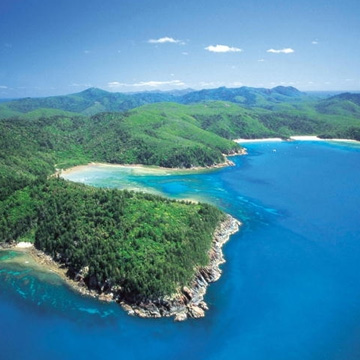
5 NIGHTS IN NE WINDS
5 Night Charter Itinerary Northeast Winds
- 5 stops
- 5 anchorages

Turtle Bay is a quiet, seldom-visited bay on the south side of Whitsunday Island, often overlooked in favour of nearby Whitehaven Beach. Because the usual winds in the Whitsundays come from the south-east, few boats stop here, but in north and north-east winds it is one of the best anchorages in the islands. True to its name, the bay is a favourite with turtles, and there is good snorkelling and plenty of marine life. With five beaches to explore and very few other boats, it is a real find on a self-skippered charter.
The fringing reef in Turtle Bay is home to plenty of marine life, and turtles are often seen swimming in the bay and popping up for air. Keep your distance and let them swim past. Never touch, chase or feed them.
Turtle Bay has five beaches, and four of them can usually be reached at low tide. Take the dinghy ashore and explore a different stretch of sand, or paddleboard along the coastline between them. Use paddleboards only in daylight and in winds under 10 knots, and stay close to the boat.
Turtles nest on Whitsunday Island beaches from about November to February, and their tracks are often visible on the sand the next morning. Eggs hatch from January onwards. If you see a nesting turtle or hatchlings, keep well back, keep lights off the beach and never disturb them.
Approach slowly, then stop the outboard, raise it and paddle the last part. Never drag the dinghy or walk across live coral, and anchor the dinghy on sand, never on coral. Wear shoes on rocky shores, as oysters and barnacles are razor sharp.
The current page lists fishing as a highlight. Check the zoning map on board before you put a line in, and never throw bait or fish scraps into the anchorage.
Turtle Bay is the place to be when the wind swings to the north or north-east, which is most common in the summer months. In the usual south-east winds, choose another anchorage. You can snorkel here all year, with water of about 23°C in winter and 27°C in summer. Stinger season runs from about November to May, so wear a stinger suit when you swim. Visit between November and February for the chance to see turtle tracks on the beaches.
Anchoring. There are no public moorings, so you will need to anchor. Keep a good lookout from the bow, as there are isolated coral heads on the way in. Anchor off the fringing reef, in sand, never on coral, in water between 2 m at low tide and 15 m at high tide, with at least 40 m of chain.
Overnight. Approved in north and north-east winds. Confirm your plans at the morning radio schedule and be anchored by 4pm.
Anchoring tip: arrive around midday and approach at under 3 knots with the sun behind you and polarised sunglasses on, so you can see the coral heads clearly.
When is the best time to anchor in Turtle Bay? In north and north-east winds, which are most common in summer. In south-east winds, choose another anchorage.
Can you see turtles in Turtle Bay? Yes. Turtles are often seen in the bay, and they nest on Whitsunday Island beaches from about November to February.
Are there moorings in Turtle Bay? No. There are no public moorings, so you will anchor off the fringing reef.
How many beaches are in Turtle Bay? Five. Four of them can usually be reached at low tide.
Is Turtle Bay near Whitehaven Beach? Yes. Turtle Bay is on the south side of Whitsunday Island, just around the corner from Whitehaven Beach.
Turtle Bay


1/3


5 NIGHTS IN NE WINDS
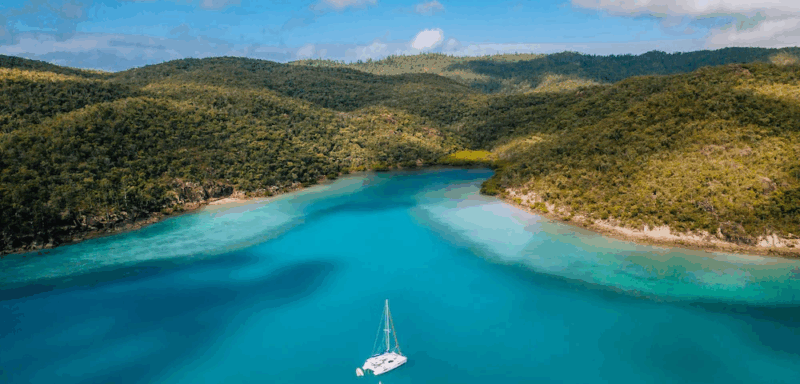
7 NIGHTS IN N WINDS
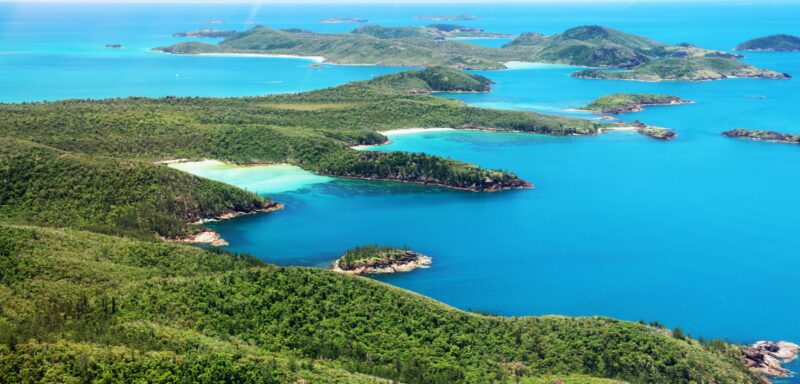
10 NIGHTS IN NE WINDS